It’s Easy to See What’s Not Working
Something is Wrong
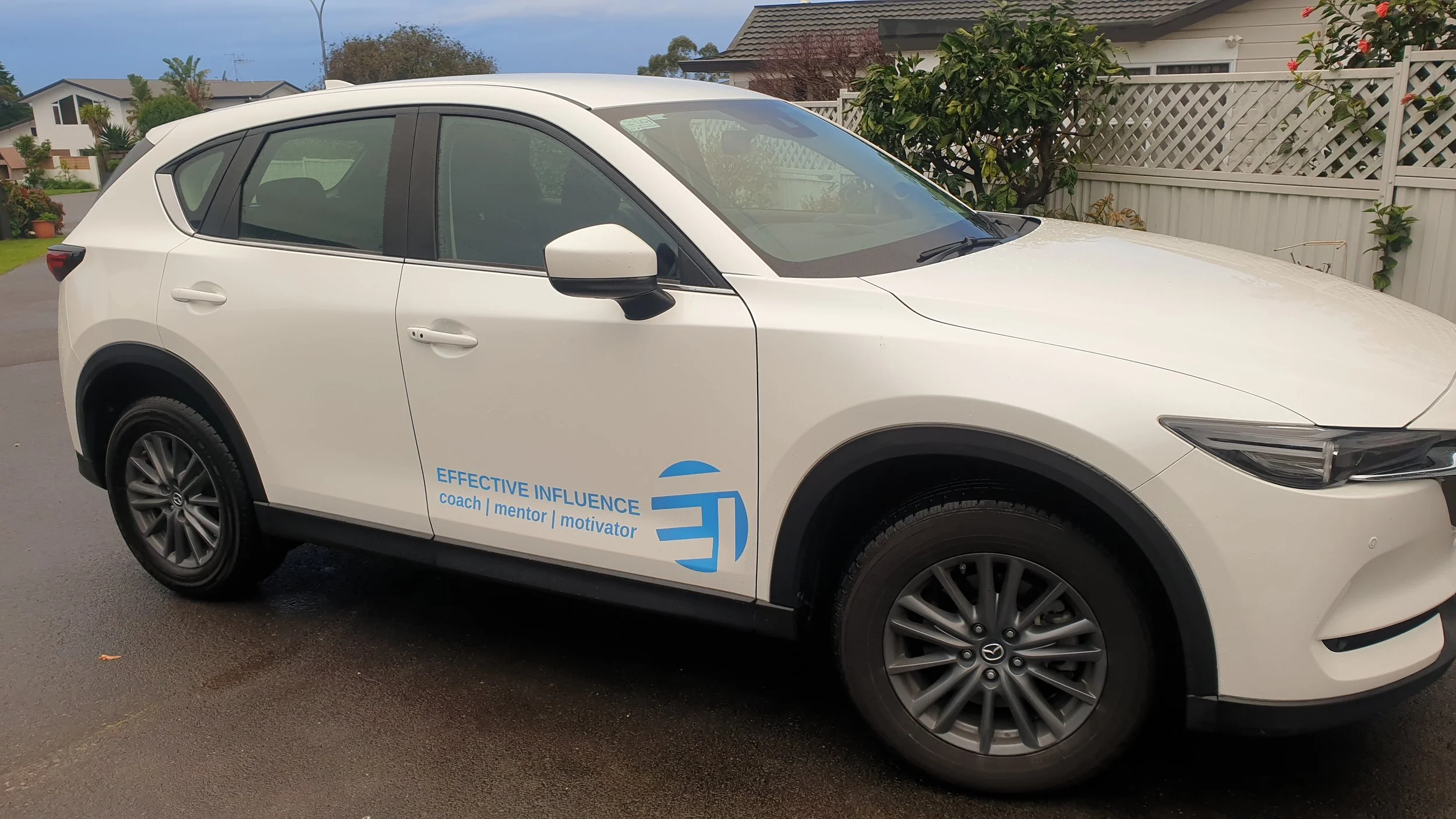
Not long after I took ownership of my new vehicle, I noticed that one of the sensor functions that had been working was no longer working.
I did what most of us do.
I started scrolling through the digital display, looking for the setting that must have changed. I searched through the menu, checked different options, went backwards and forwards, and still could not find the answer.
In the end, I conceded and took the vehicle back to the dealership.
The agent came out to the vehicle and I explained the problem. He listened, looked down, and said, “That’s easy. It’s this switch down here.”
One simple switch.
I had spent all that time looking through the complicated digital display, assuming the answer must be hidden somewhere in the settings, when the real issue was much simpler and much more obvious to someone who knew where to look.
It made me think about life and leadership.
Often, it is easy to see what is not working.
The frustration.
The pressure.
The lack of progress.
The missed communication.
The energy drain.
The thing that feels stuck.
When something is not working, it can take up a lot of space in our thinking. It can become the thing we keep returning to. It can shape the tone of our conversations and even affect the way we see people.
In leadership, this matters.
If we only focus on what is broken, we can miss what is actually working
We can miss the people who are trying.
We can miss the systems that are helping.
We can miss the small wins that are building momentum.
We can miss the strengths already present in the team.
That does not mean we ignore problems.
Good leadership does not pretend things are fine when they are not. But good leadership also learns to review with balance.
A good mid-year review asks both questions.
What is not working?
This helps us identify where we need to adjust, communicate better, improve a process, make a different decision, or have an honest conversation.
What is working?
This helps us recognise progress, build confidence, celebrate effort, and strengthen what already has value.
Sometimes the answer is not buried deep in complexity
Sometimes it is a simple switch we have overlooked.
The challenge is that when we are close to the issue, we may not always see it clearly. We can scroll through the “digital display” of leadership, looking for a complicated solution, when someone else may help us see the simple adjustment sitting right in front of us.
That is why reflection matters.
That is why feedback matters.
That is why good questions matter.
That is why leadership is not meant to be done in isolation.
Mid-year is a helpful time to pause and ask:
What am I overcomplicating?
What is already working that I need to keep doing?
What is not working that needs an honest adjustment?
Who might help me see what I am missing?
This is also where CliftonStrengths can be helpful.
Our strengths often shape what we notice first. Some people naturally see problems and risks. Some see possibilities. Some see people. Some see patterns. Some see action. Some see what could be improved.
None of these perspectives are wrong. But on their own, they may be incomplete.
When we understand our strengths, and when we listen to the strengths of others, we get a fuller picture. We become less likely to over-focus on one part of the story.
Leadership is not always about making big changes.
Sometimes it is about noticing the small switches that make a big difference.
The key lesson is this: review needs balance.
Yes, look at what is not working. But do not forget to look at what is. Progress is often quieter than problems, but it still deserves attention.
If you are leading a team, a business, a family, or yourself through the second half of the year, take time to review honestly.
Celebrate what is working.
Name what is not.
Ask better questions.
Make one useful adjustment.
You may find that the thing you have been searching for is closer than you think.
Three Learnings
1. What is not working often gets the loudest attention.
Problems can dominate our thinking if we let them. They need attention, but they should not become the only thing we see.
2. What is working needs to be noticed and strengthened.
Confidence grows when people can see progress. Leaders need to name what is good, not just fix what is broken.
3. Sometimes the best adjustment is simpler than we think.
Before overcomplicating the solution, pause and ask whether there is a simple switch, conversation, habit, or decision that could help
Practical Application
Use these three questions this week:
What is working that I need to acknowledge?
What is not working that needs attention?
What simple adjustment could make the biggest difference?
Conclusion
Mid-year review is not about criticising the first half of the year. It is about learning from it.
Look honestly.
Listen carefully.
Notice what is good.
Adjust what needs to change.
Famous Quote:
“We do not learn from experience… we learn from reflecting on experience.” — John Dewey
Reach Out, and let's take time to discover how we can progress together.
Remember daily to, 'Find value in your influence.' Your voice matters, and I'm excited to hear from and work with you!"